McKissock, LLC is shaping the future of online education with innovative training programs, flexible learning options, and career-focused professional development. Explore the latest McKissock, LLC trends and discover how the platform helps licensed professionals stay competitive, enhance their skills, and achieve long-term career growth through industry-leading online learning solutions.
Understanding McKissock, LLC
Company Background and Mission
The online education industry has undergone remarkable changes over the past decade, and McKissock, LLC has consistently positioned itself as one of the leading providers of continuing education for licensed professionals. Originally recognized for serving the real estate appraisal community, the company has expanded its educational offerings to include real estate agents, home inspectors, engineers, surveyors, land professionals, and several other licensed occupations. This growth reflects an increasing demand for flexible, accessible, and high-quality online learning that fits into busy professional schedules.
Industries Served
McKissock’s influence extends well beyond a single profession. While many people associate the company with appraisal education, its portfolio now supports professionals across numerous regulated industries. Real estate agents rely on the platform to maintain licensing requirements while expanding expertise in topics such as negotiations, marketing, contracts, and property valuation. Home inspectors access specialized courses covering building systems, safety standards, and emerging inspection technologies.
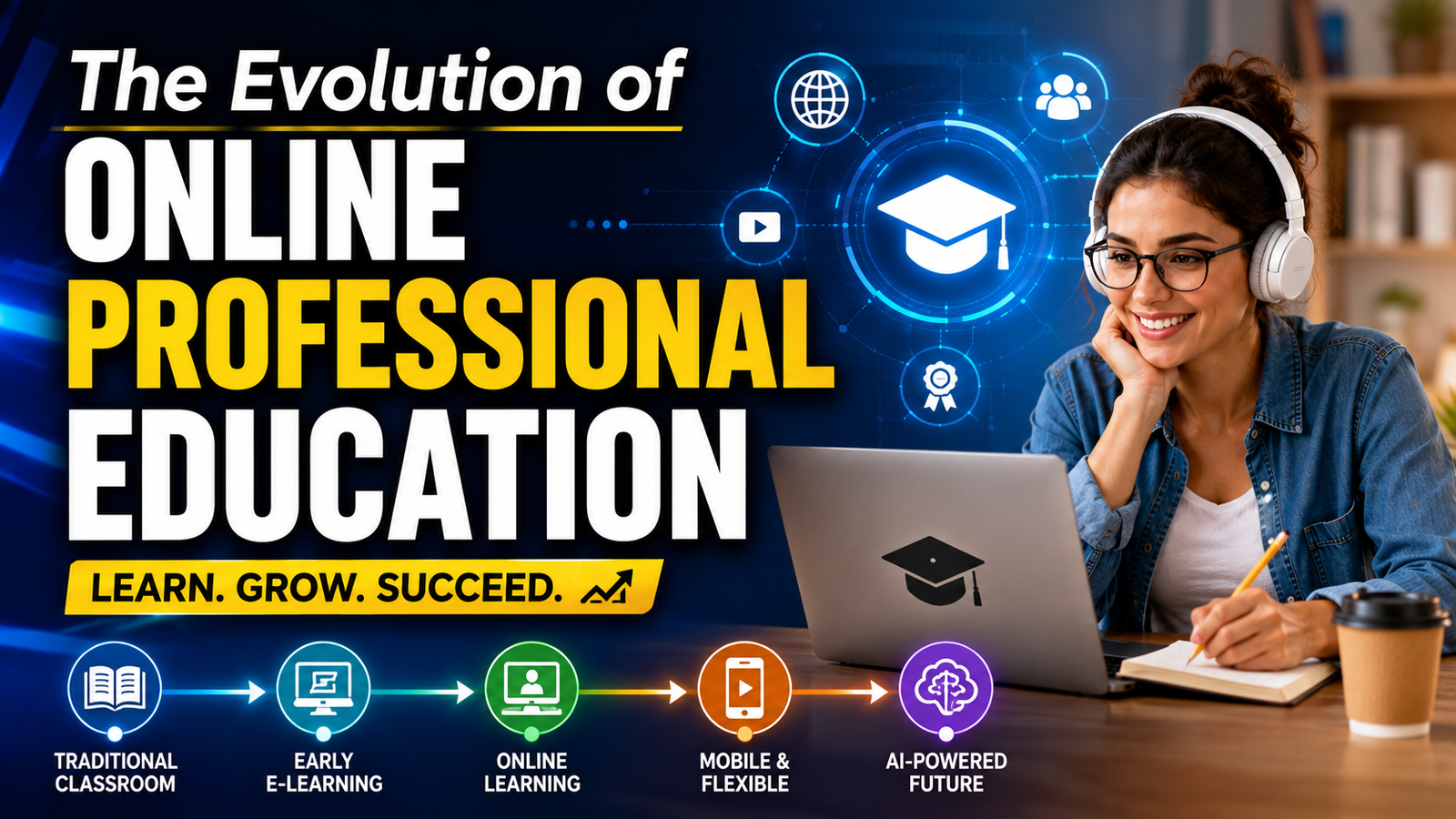
The Evolution of Online Professional Education
From Traditional Classrooms to Digital Learning
Professional education has changed dramatically since the widespread adoption of internet-based learning platforms. Only a generation ago, maintaining a professional license typically meant traveling to conferences, attending weekend seminars, or sitting through lengthy classroom sessions. These methods often required significant investments of time, travel, and money, creating barriers for many working professionals.
The rise of high-speed internet transformed this landscape by making education available whenever and wherever learners needed it. Instead of adhering to rigid classroom schedules, professionals gained the flexibility to complete coursework during evenings, weekends, or breaks between work assignments. This flexibility proved especially valuable for individuals balancing careers, family responsibilities, and continuing education requirements simultaneously.
Why Continuing Education Matters More Than Ever
The pace of technological advancement has fundamentally changed what it means to remain professionally competent. Skills that were considered cutting-edge just a few years ago can quickly become outdated as industries adopt new software, regulatory frameworks, and business practices. Continuing education now serves as a critical tool for maintaining relevance in increasingly competitive job markets.
Completing continuing education not only satisfies licensing requirements but also signals adaptability, curiosity, and professional responsibility. These qualities are especially important as automation and artificial intelligence reshape workplace responsibilities across numerous industries.
Research consistently shows that organizations investing in employee learning experience improvements in productivity, innovation, and employee retention. Professionals who regularly update their knowledge are often better equipped to solve complex problems, communicate effectively with clients, and identify emerging opportunities within their industries. As a result, continuing education contributes directly to both individual career advancement and organizational success.
Major Trends Shaping McKissock's Future
Artificial Intelligence in Learning
Artificial intelligence (AI) is rapidly transforming the way professionals learn, and McKissock is embracing this shift by expanding educational content that helps learners understand and apply AI in their respective industries. AI is no longer limited to technology companies—it is influencing property valuation, customer relationship management, document analysis, marketing, compliance monitoring, and business decision-making. Professionals who understand these technologies gain a competitive advantage because they can complete tasks more efficiently while making better-informed decisions.
Personalized Learning Experiences
One of the strongest trends in modern education is personalization. Traditional classroom instruction often follows a one-size-fits-all approach, but online platforms can tailor learning experiences to individual needs. McKissock’s digital platform already provides learners with flexibility in course selection, pacing, and scheduling, allowing professionals to focus on subjects most relevant to their careers.
Mobile-First Education
Modern professionals rarely spend their entire day at a desk. They travel between appointments, visit clients, manage fieldwork, and often complete administrative tasks on mobile devices. Recognizing this reality, online education providers are increasingly adopting mobile-first design principles that prioritize learning on smartphones and tablets.
McKissock’s online learning environment supports flexible access across multiple devices, allowing professionals to continue coursework wherever they have an internet connection. Whether reviewing course materials during a commute, completing quizzes between meetings, or watching instructional videos while traveling, learners can integrate education into their daily routines without significant disruption.
Career Advancement Through Continuous Learning
Professional Certifications
Professionals who pursue advanced certifications demonstrate expertise, commitment, and initiative—qualities that employers and clients consistently value. McKissock’s educational programs support this broader perspective by offering courses that build practical skills alongside mandatory continuing education requirements.
Skill Development Beyond Compliance
The most successful professionals rarely rely solely on technical knowledge. Communication, leadership, negotiation, marketing, financial literacy, and technology adoption all contribute to long-term career success. Recognizing this reality, McKissock has broadened its educational offerings to include practical business skills that complement industry-specific expertise.
McKissock vs. Traditional Education Providers
Feature | McKissock | Traditional Classroom Providers |
Learning Schedule | Flexible, self-paced and live options | Fixed schedules |
Accessibility | Learn from anywhere | Requires physical attendance |
Course Updates | Frequently updated online | Often slower to revise |
Travel Costs | Minimal | Higher due to commuting |
Learning Formats | Videos, quizzes, livestreams, downloadable resources | Mostly lectures |
Career Development | Compliance and professional growth | Often compliance-focused |
The comparison highlights why online education has become increasingly attractive for today’s professionals. Flexibility, convenience, and rapid content updates provide significant advantages in industries where regulations and technology change frequently.
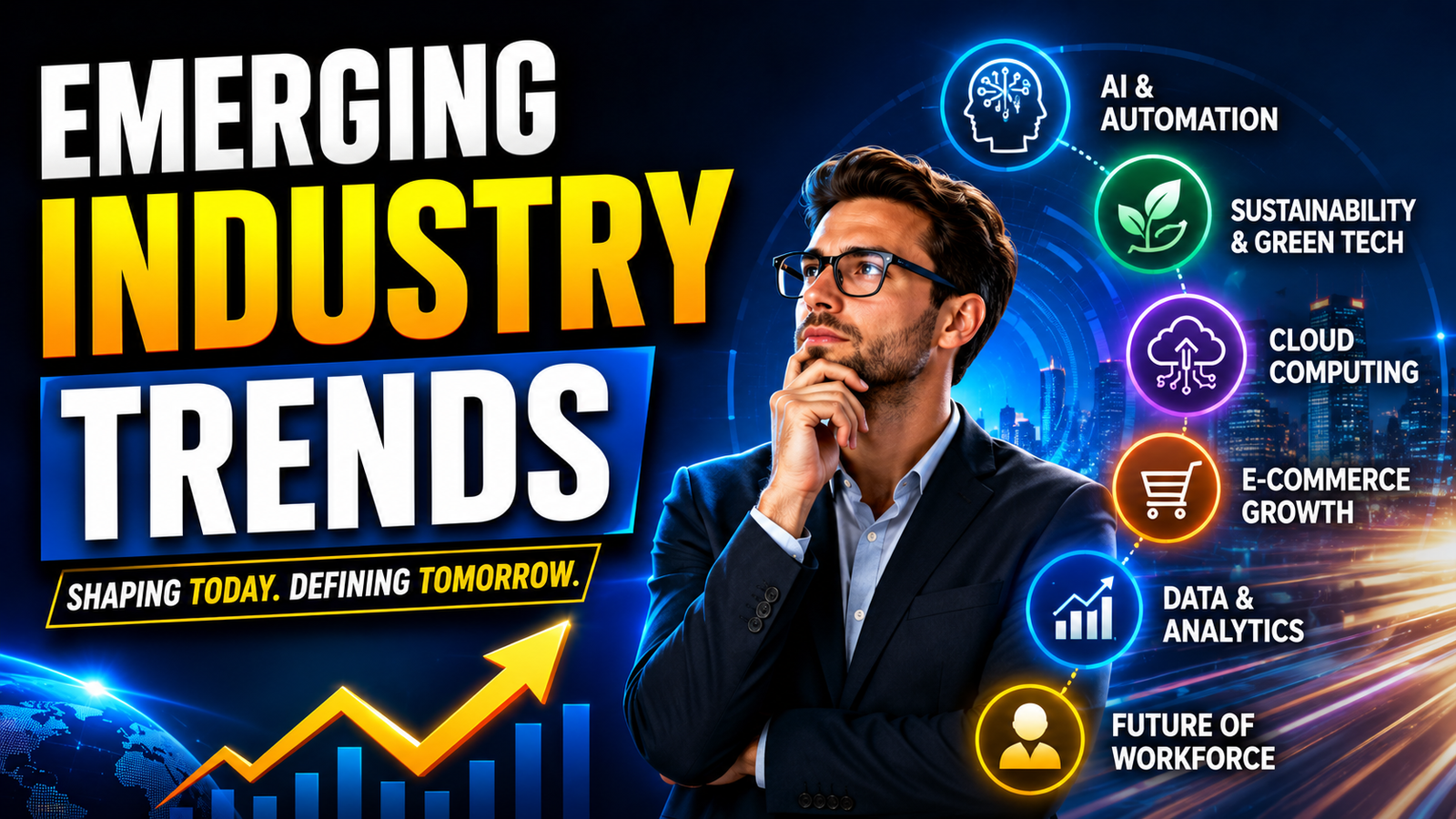
Emerging Industry Trends H3: Microlearning
AI Integration
Artificial Intelligence (AI) is transforming the way organizations deliver training and professional development. AI-powered learning platforms can analyze user behavior, identify knowledge gaps, and create personalized learning paths for each employee. This ensures that learners receive relevant content based on their skills, progress, and career goals.
Microlearning
Microlearning is a modern training approach that delivers educational content in short, focused lessons, typically lasting between 3 and 10 minutes. Instead of lengthy courses, learners consume bite-sized modules that target a specific skill or concept, making learning easier to fit into busy work schedules.
Challenges and Opportunities Ahead
Despite impressive growth, McKissock faces several challenges common to online education providers. Competition continues to intensify as universities, technology companies, and specialized training platforms expand their digital offerings. Learners now have more choices than ever, making course quality, instructor expertise, and user experience increasingly important differentiators.
Rapid technological change also requires constant curriculum updates. Courses covering AI, cybersecurity, sustainability, and regulatory compliance must evolve continuously to remain relevant. Maintaining accreditation while responding quickly to industry developments requires significant investment in instructional design and subject matter expertise.
Future Predictions for McKissock
The future appears promising for McKissock as professional education becomes increasingly technology-driven. AI-powered learning assistants, adaptive assessments, predictive analytics, and immersive virtual learning environments are likely to become standard features over the coming years. These technologies will help learners complete courses more efficiently while improving knowledge retention and practical application.
Another significant trend is the integration of industry networking into learning platforms. Future online education systems may combine coursework with mentorship opportunities, peer collaboration, discussion communities, and career coaching. Such ecosystems would provide value beyond formal instruction, supporting professional growth throughout an individual’s career.
Conclusion
The future of professional education extends far beyond meeting licensing requirements. Today’s professionals seek learning experiences that improve productivity, expand career opportunities, and prepare them for technological transformation. McKissock has demonstrated an ability to evolve alongside these changing expectations by combining flexible online learning with increasingly comprehensive professional development resources.
Artificial intelligence, personalized learning, mobile accessibility, and interactive virtual classrooms are redefining how professionals acquire new knowledge. At the same time, employers increasingly value individuals who demonstrate continuous learning, adaptability, and a willingness to embrace innovation. These trends reinforce the importance of educational providers capable of delivering current, engaging, and practical instruction.
Frequently Asked Questions