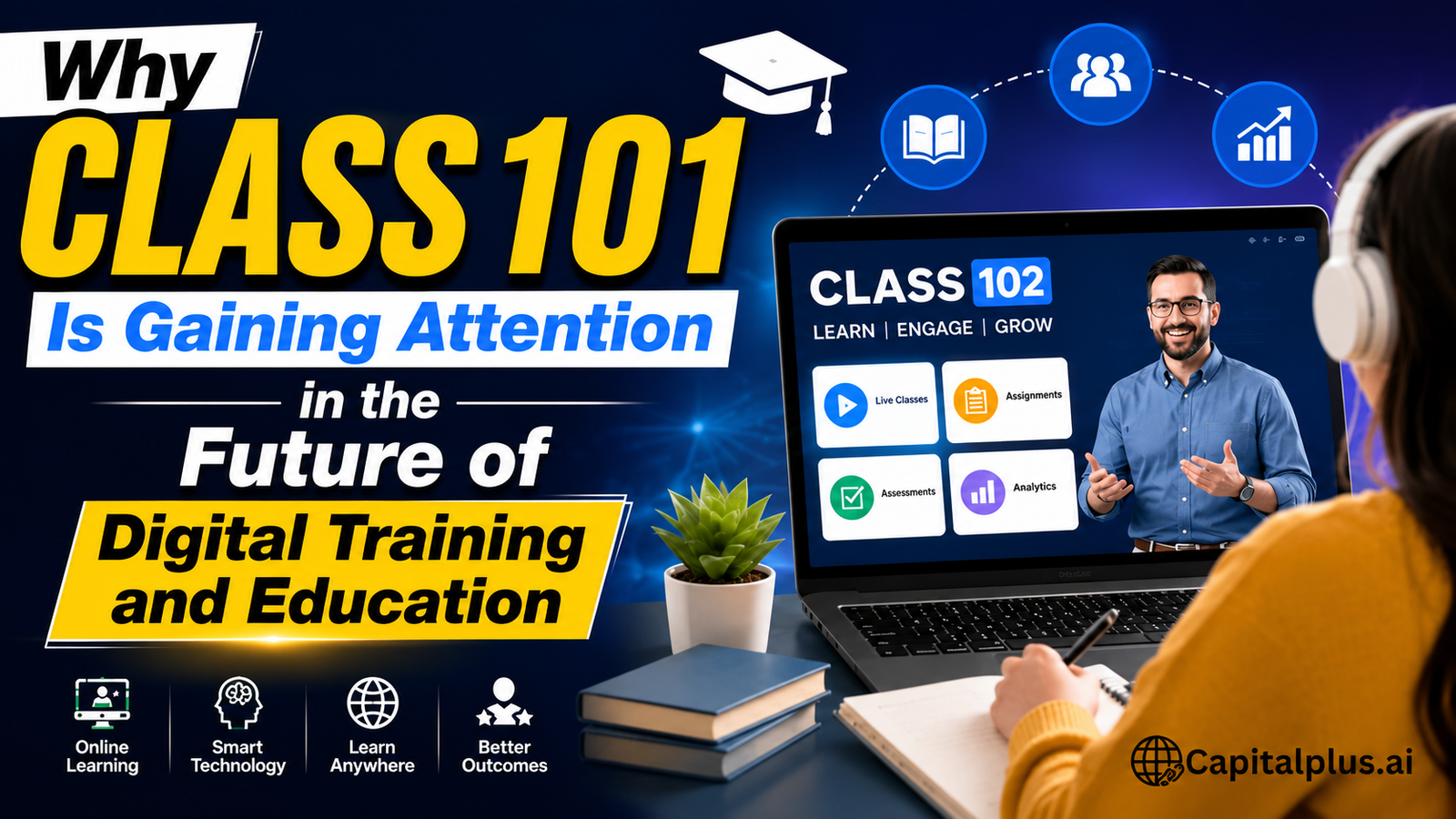
Discover why CLASS101 is becoming a leading platform in the future of digital training and education. Learn how CLASS101 empowers creators, educators, and learners with interactive online courses, flexible learning experiences, and innovative teaching tools that are shaping the next generation of online education.
The Evolution of Digital Learning
From Traditional Classrooms to Online Platforms
Traditional education remains valuable, but it has limitations that modern learners increasingly recognize. Fixed schedules, geographical restrictions, and standardized teaching methods cannot always accommodate today’s diverse learning needs. Online platforms have addressed many of these challenges by offering recorded lessons, interactive discussions, downloadable resources, and community engagement.
The Rise of Skill-Based Learning
Academic degrees continue to matter, but employers increasingly value demonstrable skills. Hiring managers often prioritize portfolios, certifications, practical experience, and continuous learning alongside formal qualifications. This trend has accelerated the popularity of platforms offering specialized, project-based education.
Understanding CLASS101
What Makes CLASS101 Different?
Several characteristics help explain why many observers consider platforms like CLASS101 representative of the future of online education.
First is creator-driven expertise. Courses frequently come from professionals actively working within their industries rather than exclusively from academic institutions. Learners gain insights that reflect current industry practices instead of outdated theoretical models.
Second is project-oriented instruction. Rather than ending with quizzes alone, many lessons encourage students to produce tangible outcomes such as artwork, business plans, digital products, or marketing campaigns. This approach strengthens retention because practical application reinforces theoretical understanding.
Core Features and Learning Experience
A modern digital education platform succeeds when it balances convenience with meaningful interaction. Learners expect intuitive navigation, mobile compatibility, downloadable materials, and consistent progress tracking. At the same time, they want experiences that feel personal rather than automated.
Interactive assignments encourage active participation instead of passive viewing. Practical exercises require learners to apply concepts immediately, improving long-term retention. Regular milestones also help students monitor their progress while maintaining motivation throughout longer courses.
Why Digital Learners Are Choosing CLASS101
Interactive Learning Environment
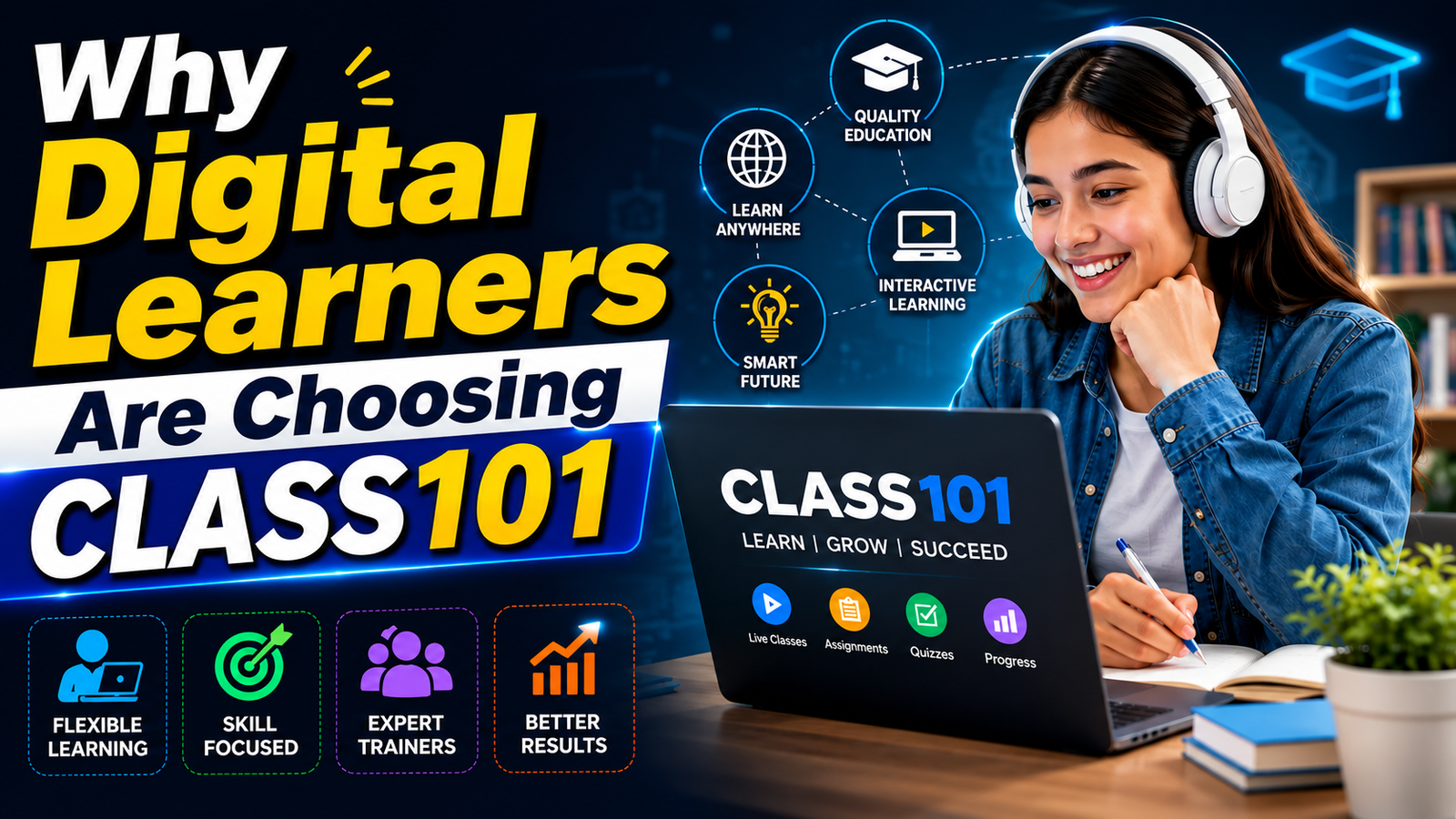
One of the biggest reasons learners choose CLASS101 is its highly interactive approach. Instead of relying solely on passive video lessons, many courses encourage active participation through assignments, projects, quizzes, and community discussions.
Interactive features help learners:
- Practice concepts immediately after learning.
- Receive feedback on their work.
- Stay motivated through structured milestones.
- Collaborate with fellow students.
- Build confidence through hands-on learning.
This engagement leads to better knowledge retention and a more enjoyable educational experience.
Industry-Relevant Courses
Modern professionals often struggle to balance education with work and family responsibilities. CLASS101 addresses this challenge by allowing learners to study at their own pace.
Flexible learning offers several advantages:
- Learn anytime from any location.
- Pause and resume lessons when convenient.
- Access content across multiple devices.
- Revisit previous lessons whenever needed.
- Create personalized study schedules.
This flexibility makes continuous education realistic even for people with demanding careers.
Flexible Learning for Busy Professionals
Switching between apps might seem harmless, but it adds up. Studies show that constant context switching can significantly reduce productivity. Ayoa eliminates this problem by combining multiple tools into one platform.
Instead of using separate apps for brainstorming, task management, and communication, everything is integrated. This streamlined workflow helps teams stay focused and efficient.
Technology Behind CLASS101
AI and Personalized Learning
Artificial Intelligence is transforming online education by making learning more adaptive.
Potential AI-powered features include:
- Personalized course recommendations.
- Learning path suggestions.
- Automated progress tracking.
- Intelligent assessments.
- Customized practice exercises.
- Smart reminders for unfinished lessons.
These capabilities help learners stay engaged and achieve their educational goals more efficiently.
Data-Driven Student Engagement
Learning analytics allow educators to understand how students interact with course material.
Data can be used to identify:
- Lessons with high completion rates.
- Topics where students struggle.
- Assignment performance.
- Course engagement patterns.
- Learning habits over time.
By analyzing this information, instructors can continuously improve course quality and student outcomes.
Benefits for Individuals and Businesses
Upskilling Employees
Companies increasingly invest in online learning to keep their workforce competitive.
Benefits include:
- Faster employee onboarding.
- Continuous professional development.
- Lower training costs.
- Improved productivity.
- Enhanced digital skills.
- Better employee retention.
Employees also appreciate opportunities to develop new competencies without disrupting their daily work schedules.
Ayoa’s visual tools encourage creative thinking. By allowing teams to explore ideas in a non-linear way, it unlocks new perspectives and innovative solutions.
Supporting Lifelong Learning
The concept of lifelong learning has become essential in today’s rapidly changing job market.
CLASS101 supports continuous education by allowing learners to:
- Explore new career paths.
- Learn creative hobbies.
- Improve existing professional skills.
- Stay updated with industry trends.
- Build confidence through ongoing education.
This culture of continuous improvement benefits both personal growth and long-term career success.
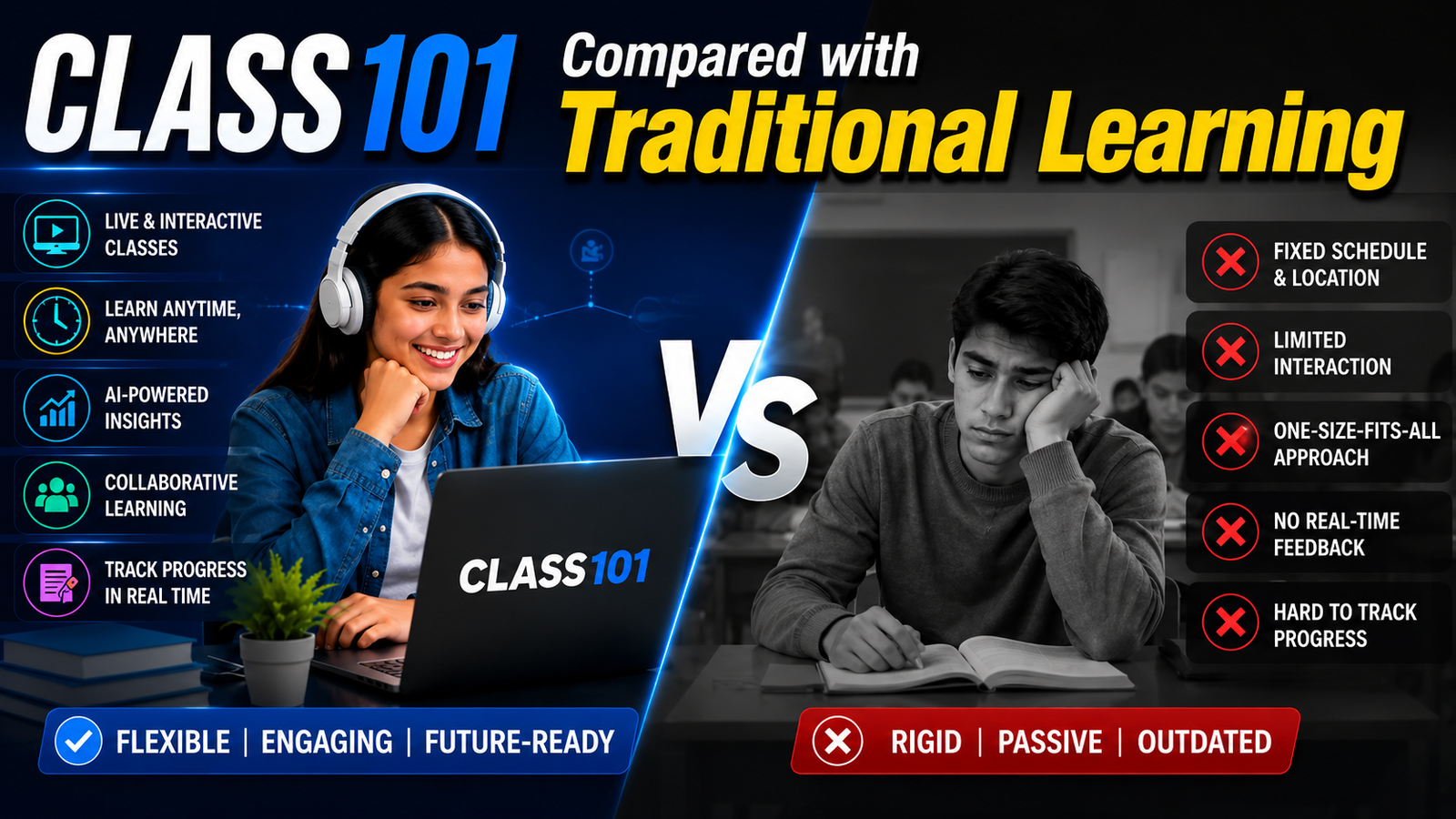
CLASS101 Compared with Traditional Learning
Key Differences
Feature | CLASS101 | Traditional Learning |
Learning Schedule | Self-paced | Fixed timetable |
Accessibility | Learn from anywhere | Needs in-person presence |
Cost | Often more affordable | Higher tuition and commuting costs |
Course Updates | Frequently updated | Updates may take longer |
Flexibility | High | Limited |
Learning Resources | Digital and downloadable | Mostly classroom materials |
Instructor Access | Online communication | Face-to-face interaction |
Scalability | Global audience | Limited classroom capacity |
While traditional education remains valuable for certain disciplines, online learning offers greater convenience and accessibility for many students.
Challenges and Opportunities
Current Limitations
Some challenges include:
- Limited face-to-face interaction.
- Dependence on stable internet access.
- Self-discipline required for course completion.
- Practical subjects may require additional hands-on experience.
- Time zone differences for live sessions.
Addressing these issues will further enhance the overall learning experience.
Future Growth Potential
The future of online education looks promising, and platforms like CLASS101 are well-positioned for continued growth.
Emerging trends include:
- AI-powered adaptive learning.
- Virtual Reality (VR) classrooms.
- Augmented Reality (AR) training experiences.
- Gamified learning environments.
- Global collaboration among learners.
- Improved accessibility through multilingual content.
- Enhanced mobile learning experiences.
- Stronger integration with professional certifications.
Final Thoughts
CLASS101 represents a broader transformation occurring throughout digital education. Modern learners seek more than convenience—they expect engaging experiences, practical knowledge, flexible schedules, and opportunities to learn directly from professionals actively working in their industries. These changing expectations have encouraged platforms to move beyond simple video courses toward comprehensive learning ecosystems built around participation, collaboration, and measurable skill development.
The future of education will likely involve continuous learning rather than one-time academic experiences. As industries evolve more rapidly, professionals must regularly acquire new competencies to remain competitive. Platforms capable of delivering personalized, project-based education while leveraging emerging technologies will become increasingly valuable to individuals and organizations alike.
Conclusion
Digital learning has entered a new era where flexibility alone is no longer enough. Learners expect meaningful engagement, personalized experiences, practical projects, and direct access to industry expertise. CLASS101 has gained attention because it embraces these evolving expectations while demonstrating how technology can enhance—not replace—quality education.
As artificial intelligence, cloud technology, and interactive learning continue advancing, platforms that successfully combine innovation with human expertise are likely to shape the future of education. Whether someone wants to launch a creative career, improve professional skills, or support lifelong learning within an organization, platforms like CLASS101 illustrate how digital education is becoming more effective, accessible, and relevant than ever before.
Frequently Asked Questions